



Per Game
Total
Per 36
NBA Per Game Stats
Loading Per Game Stats...
2024
2023
2022
2021
2020
2019
2018
2017
2016

Schedule
By Month
Starting/Off Bench
Days Rest
Vs Opp
By Result
2024 NBA Per Game Split Stats
Loading Split Stats...
Advanced Stats
Loading Advanced Stats...
2024
2023
2022
2021
2020
2019
2018
2017
2016
Stat Review
How does Delon Wright compare to other players?
This section compares his stats with all players from the previous three seasons (minimum 200 minutes played)*. The bar represents the player's percentile rank. For example, if the bar is halfway across, then the player falls into the 50th percentile for that stat and it would be considered average.
True Shooting %
36.5%
Effective Field Goal %
34.1%
3-Point Attempt Rate
59.8%
Free Throw Rate
19.5%
Offensive Rebound %
4.2%
Defensive Rebound %
8.1%
Total Rebound %
6.2%
Assist %
14.6%
Steal %
2.5%
Block %
2.1%
Turnover %
9.2%
Usage %
11.2%
Fantasy Points Per Game
10.5
Fantasy Points Per Minute
0.7
Historical ADP
Loading Historical ADP...
Recent RotoWire Articles Featuring Delon Wright See More
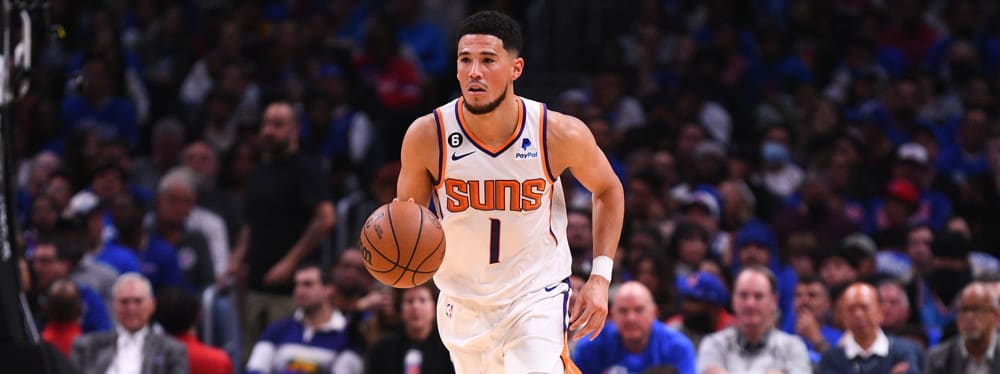
RotoWire's Dan Bruno provides expert advice for today's DraftKings NBA slate, including strategy and picks for the games.

RotoWire's Juan Carlos Blanco provides insight and analysis for fantasy basketball managers constructing a FanDuel DFS lineup.
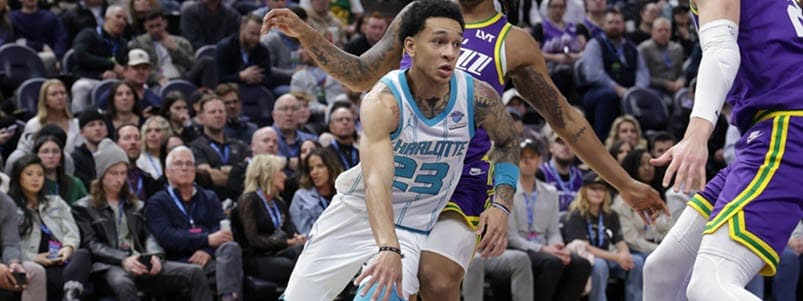
Looking for the best fantasy basketball sleepers for your deep league? Alex Barutha breaks down eight of his favorite undervalued players in NBA fantasy drafts.
Alex Barutha walks through the most fantasy relevant players beginning the season on the injury report. Big names include Devin Vassell, Kristaps Porzingis and Mitchell Robinson.
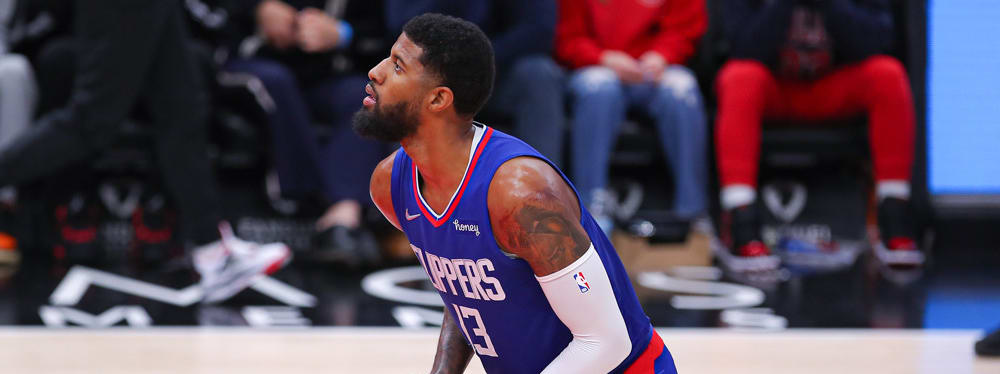
Alex Barutha analyzes nearly every contract signed and every trade made during the 2024 NBA free agency period.
Past Fantasy Outlooks
2023
2022
2021
2020
2019
2018
2017
2015
Despite missing a sizeable chunk of the 2022-23 season due to injury, Wright ended as a viable standard league option, thanks almost entirely to his elite production on the defensive end. In just 24.4 minutes per night, he averaged 7.4 points to go with 3.6 rebounds, 3.9 assists and 1.8 steals per game. The Wizards have made wholesale changes during the offseason, parting ways with their two best players, Bradley Beal and Kristaps Porzingis. Coming into the starting lineup will presumably be Tyus Jones and Jordan Poole, both of whom will take minutes away from Wright. With that said, he is still clearly the best defender on the team, meaning he should be able to maintain at least a 20-minute role on most nights. He is not worth taking in most drafts but will likely be an excellent streaming option for the majority of the season.
More Fantasy News

Won't return vs. Minnesota
Wright (head) won't return to Tuesday's preseason game against the Timberwolves, Jeremiah Johnson of FanDuel Sports Network Indiana reports.
ANALYSIS
Subscribe now to instantly reveal our take on this news.
Subscribe now to instantly reveal our take on this news.

Exits to locker room vs. Minnesota
Wright exited to the locker room after sustaining an apparent head injury in the second quarter of Tuesday's preseason game against Minnesota, Chris Hine of the Minnesota Star Tribune reports.
ANALYSIS
Subscribe now to instantly reveal our take on this news.
Subscribe now to instantly reveal our take on this news.
Will sign with Indiana
The Pacers signed Wright to a training camp contract Thursday, Tony East of WTHR Channel 13 Indianapolisreports.
ANALYSIS
Subscribe now to instantly reveal our take on this news.
Subscribe now to instantly reveal our take on this news.

Quiet in Game 6 defeat
Wright finished Saturday's 125-108 loss to the Pacers in Game 6 of the Eastern Conference Finals with two points (0-2 FG, 0-2 3Pt, 2-2 FT) and one rebound over 12 minutes.
ANALYSIS
Subscribe now to instantly reveal our take on this news.
Subscribe now to instantly reveal our take on this news.
Rare appearance in Game 1 loss
Wright closed Wednesday's 138-135 overtime loss to Indiana in Game 1 of the Eastern Conference Finals with no counting stats in zero minutes.
ANALYSIS
Subscribe now to instantly reveal our take on this news.
Subscribe now to instantly reveal our take on this news.
Latest Fantasy Rumors

Potential target for Memphis
Wright is one of several free agents who could sign with the Grizzlies on a 10-day hardship contract after the third game of the regular season, Chris Herrington of The Daily Memphian speculates.
ANALYSIS
The Grizzlies could apply for a 10-day hardship contract since they have at least two players sidelined at two positions, point guard and center. Wright is one of the potential targets they might set their sights on if they're looking to add another guard to the roster on a short-term deal. However, any deal for Wright would be tied to the recovery of the head injury he suffered in the preseason while with the Pacers.
The Grizzlies could apply for a 10-day hardship contract since they have at least two players sidelined at two positions, point guard and center. Wright is one of the potential targets they might set their sights on if they're looking to add another guard to the roster on a short-term deal. However, any deal for Wright would be tied to the recovery of the head injury he suffered in the preseason while with the Pacers.